


Sustainable Wastewater Treatment and Reuse for Plastic Recycling Operations: Application and Result
Introduction
The recycling of post-consumer and post-industrial plastics plays a vital role in the Circular Economy. However, one of the most challenging aspects of plastic recycling operations is the management of wastewater generated during the crushing and washing process. This effluent is produced in large volumes and contains high levels of suspended solids, including both heavy inorganic materials (such as sand and grit) and lighter organic particles (such as plastic fines and debris). The turbidity is typically very high, and the pH can vary significantly depending on the source material.
Given the increasing pressure to conserve water resources and minimize environmental impact, treating this wastewater for direct reuse in the production process has become the preferred approach for forward-thinking recycling facilities. This article presents a proven, energy-efficient treatment solution that enables closed-loop Water Recycling while reducing waste disposal costs.
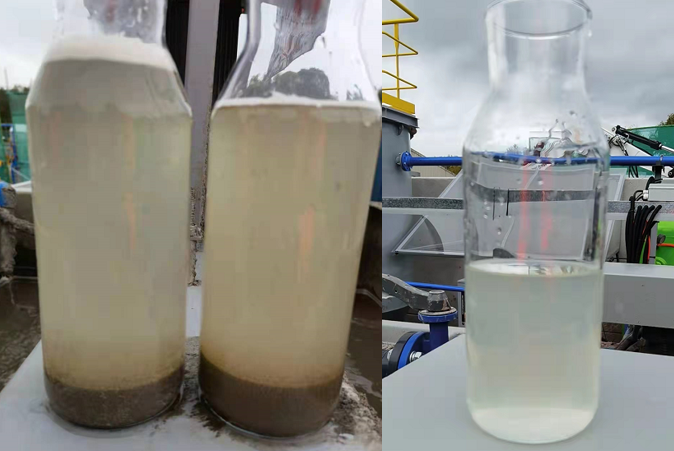
Wastewater Characteristics
The untreated wastewater from plastic crushing and cleaning operations typically exhibits the following characteristics:
| Parameter | Typical Value |
|---|---|
| Flow Rate | 20 m³/h |
| Suspended Solids (SS) | Up to 3,000 mg/l |
| pH Range | 10 – 11 (alkaline) |
The high alkalinity and extremely elevated solids content make this wastewater unsuitable for direct discharge or reuse without proper treatment. Furthermore, the diverse nature of the suspended particles — ranging from dense grit to floating plastic fragments — requires a multi-stage treatment approach.
Process Selection Rationale
After evaluating various treatment technologies, a robust and compact process train was selected to address the specific challenges of plastic washing wastewater. The selected solution combines physical separation and chemical treatment in the following sequence:
Screening → Chemical Reaction → Lamella Sedimentation → Flotation → Sludge Dewatering
All treated water is returned to the production line, achieving near-zero discharge of process wastewater.
Detailed Process Description
1. Equalization and Screening
Raw wastewater first enters an equalization tank to dampen flow fluctuations and homogenize the solids load. A coarse screen removes large debris and plastic fragments that could damage downstream equipment.
2. Chemical Reaction System
The screened effluent then flows into a reaction system where precise doses of chemicals are added. The typical chemical suite includes:
• Acid – to neutralize the alkaline influent (from pH 10–11 down to pH 7–8)
• Coagulant – to destabilize fine suspended particles
• Flocculant – to agglomerate destabilized particles into larger, settleable flocs
Optimal chemical dosing is critical to maximizing solids removal efficiency and minimizing operating costs. The system can be adjusted automatically based on real-time water quality readings.
3. Lamella Clarifier (Sedimentation System)
Following chemical conditioning, the water enters a lamella clarifier. This high-efficiency sedimentation unit is specifically designed for solid-liquid separation. The inclined lamella plates create a large effective settling area within a compact footprint, allowing solids to slide down the plates while clarified water rises to the top.
The lamella clarifier removes the majority of settleable solids, producing a much cleaner effluent that is already suitable for many reuse applications. The underflow sludge — containing concentrated solids — is directed to sludge handling.
4. Integrated Flotation Unit
To achieve the final polishing required for sensitive production reuse, the clarifier effluent passes through an integrated flotation unit. This system generates fine microbubbles that attach to any remaining light solids, oil, or grease, floating them to the surface for skimming removal.
5. Sludge Dewatering System – Filter Press
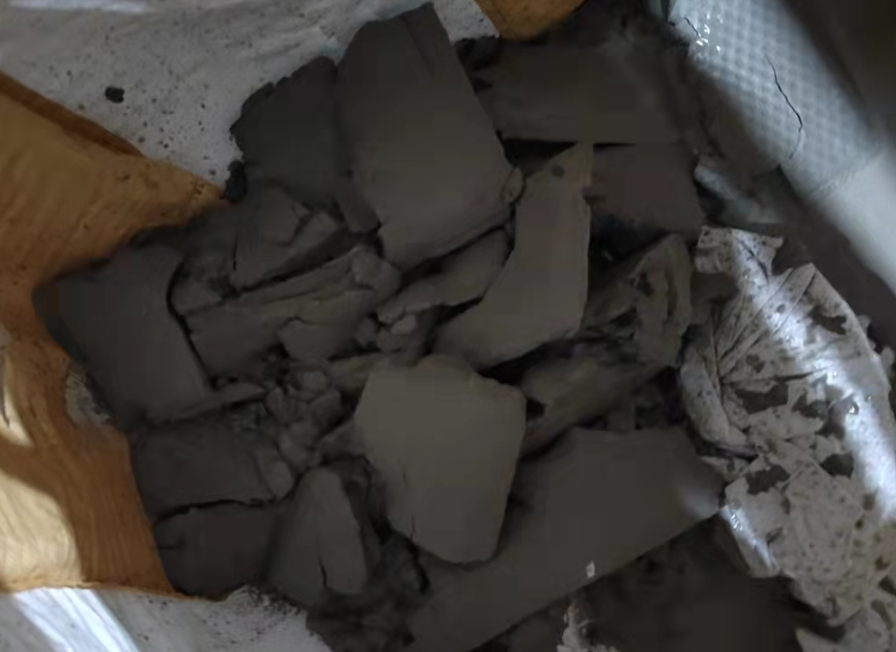
The collected sludge is first homogenized in a mixing tank and then fed to a filter press. The filter press applies high pressure to squeeze water out of the sludge, transforming it into dry, solid cakes. Key performance outcomes:
• Final cake moisture content: ≤ 60%
• Filtrate quality: Clear, returned to the head of the plant for reprocessing
• Disposal advantage: Solid cakes are low in volume, easy to transport, and can be landfilled or (where permitted) used for energy recovery
6. Reclaimed Water Tank
All clarified and polished water — including filtrate from the filter press — is collected in a reclaimed water tank before being pumped back to the plastic washing line. This closed-loop approach drastically reduces freshwater consumption and eliminates discharge permit requirements.
7. Automated Control System (PLC)
The entire process is managed by a programmable logic controller (PLC) . The PLC continuously monitors flow rates, tank levels, pH values, and equipment status. It automates chemical dosing, backwash cycles, sludge discharge, and filter press operation. Benefits include:
• Consistent water quality without operator intervention
• Reduced chemical consumption through precise dosing
• Alarm and safety shutdown functions
• Remote monitoring and data logging capabilities
Treatment Results
The table below summarizes the performance achieved with this treatment system:
| Parameter | Flow Rate (m³/h) | SS (mg/l) | pH | Sludge Cake Moisture |
|---|---|---|---|---|
| Raw Wastewater (Inlet) | 20 | 3,000 | 10–11 | – |
| Treated Water (Outlet) | 20 | ≤ 100 | 7–8 | – |
| Dewatered Sludge Cake | – | – | – | ≤ 50% |
These results demonstrate:
• 95%+ reduction in suspended solids
• Full pH neutralization to the ideal range for recycling operations
• Low-moisture sludge cakes that minimize disposal volumes and costs
• Zero process wastewater discharge when all treated water is reused
Operational and Environmental Benefits
By implementing this treatment solution, plastic recycling facilities can achieve:
• Significant water savings – up to 90–95% reduction in freshwater intake
• Lower wastewater discharge fees or elimination thereof
• Reduced sludge disposal costs thanks to efficient dewatering
• Consistent compliance with environmental regulations
• Automated, low-labor operation requiring minimal daily attention
• Compact footprint due to high-rate technologies (lamella clarifier, integrated flotation)
Conclusion
The combination of screening, chemical reaction, lamella sedimentation, flotation, and filter press dewatering provides a robust, cost-effective solution for treating wastewater from plastic crushing and washing operations. This process successfully handles high solids loads, neutralizes alkaline influent, and produces high-quality effluent suitable for direct production reuse.
The fully automated PLC control ensures reliable performance with minimal operator intervention, while the efficient sludge dewatering step reduces waste volumes and disposal costs. For plastic recycling facilities seeking to reduce their environmental footprint and operational expenses, this closed-loop water treatment system represents a proven, best-in-class approach.